


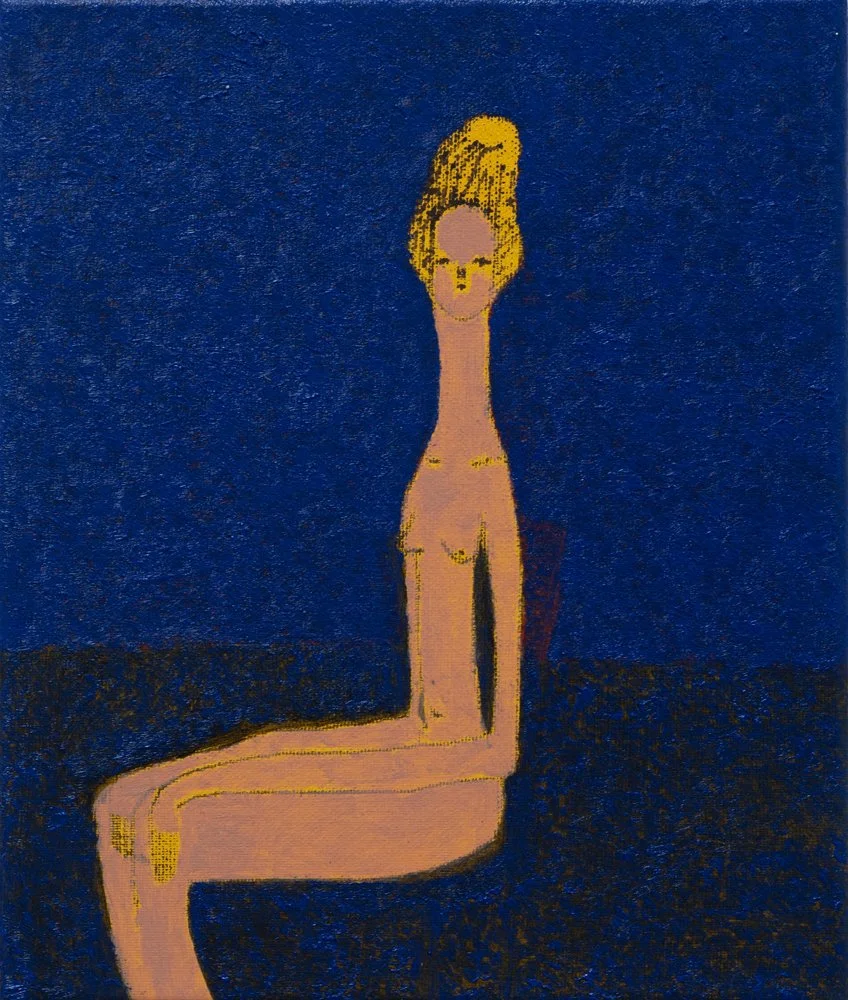


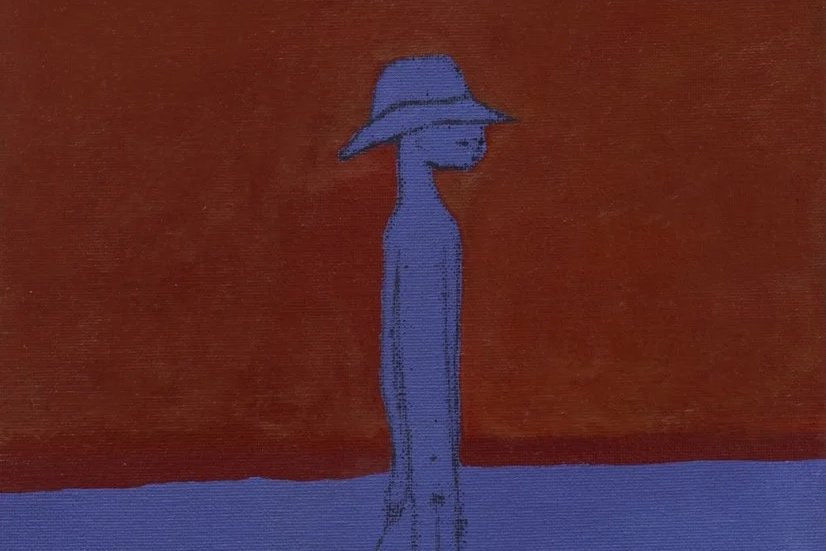


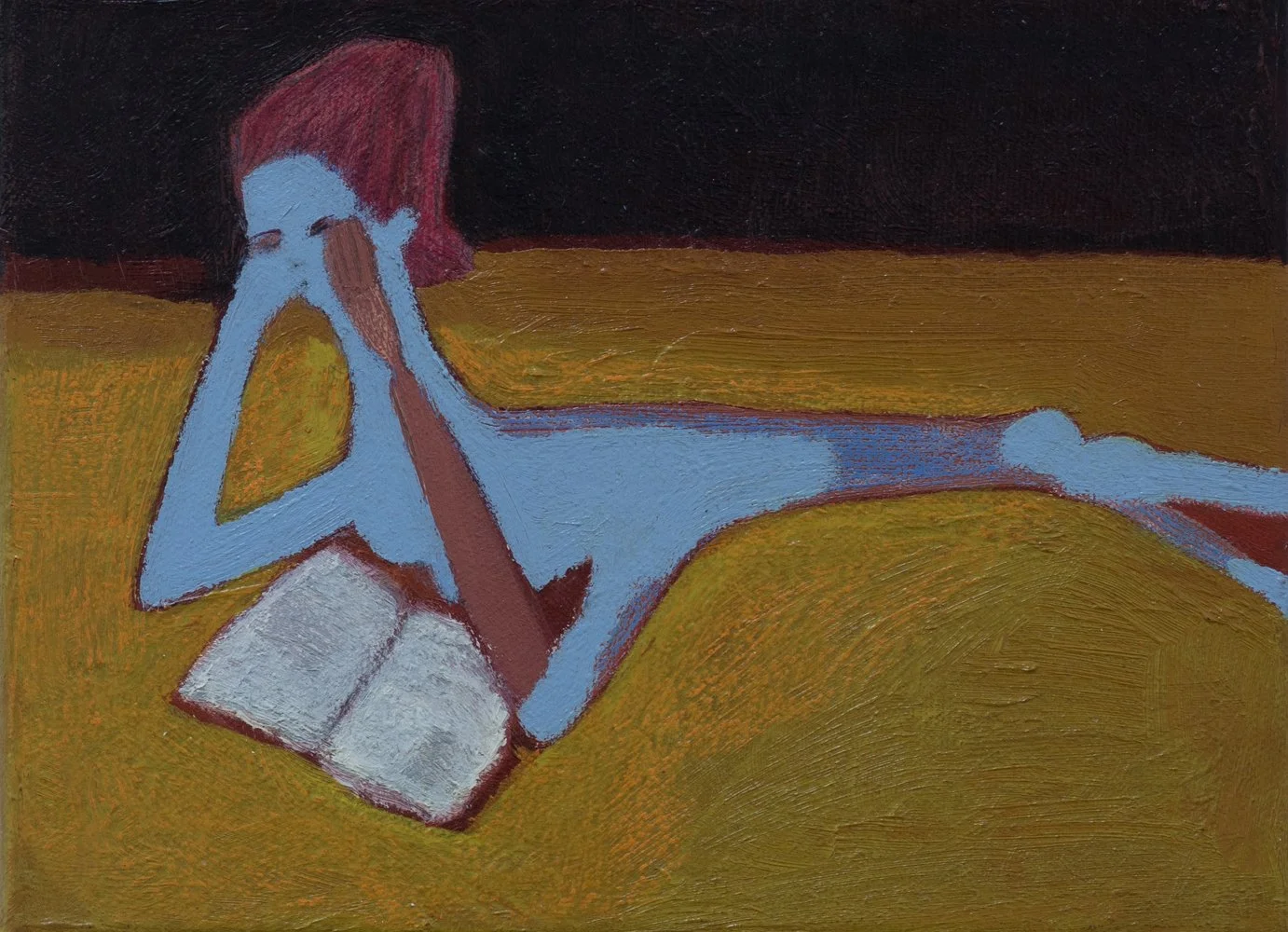
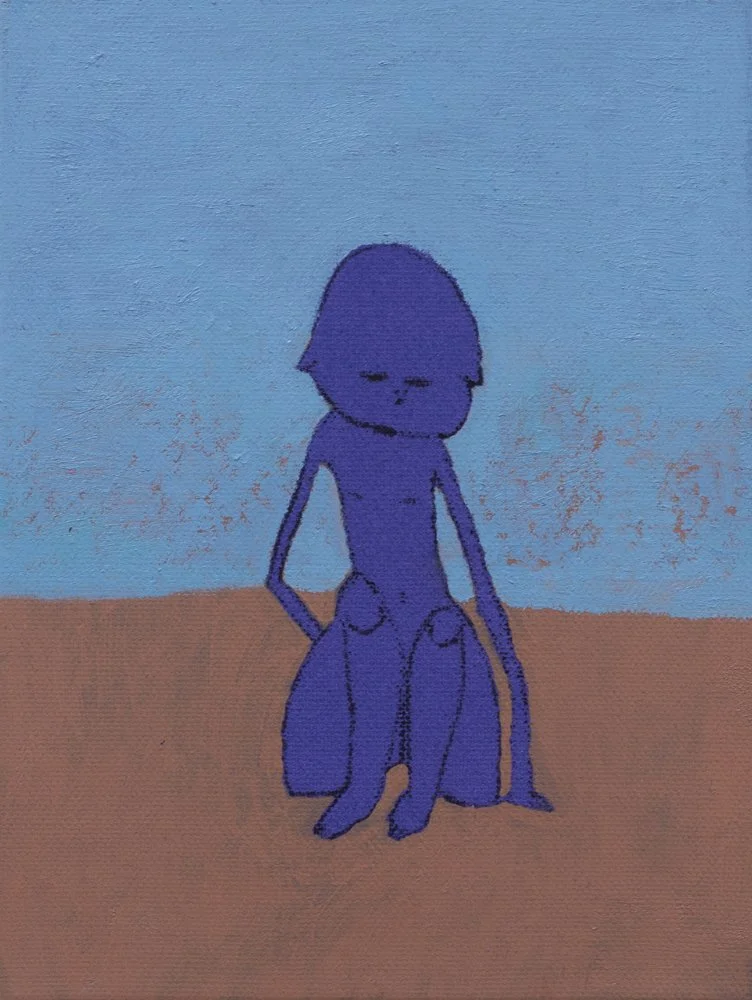


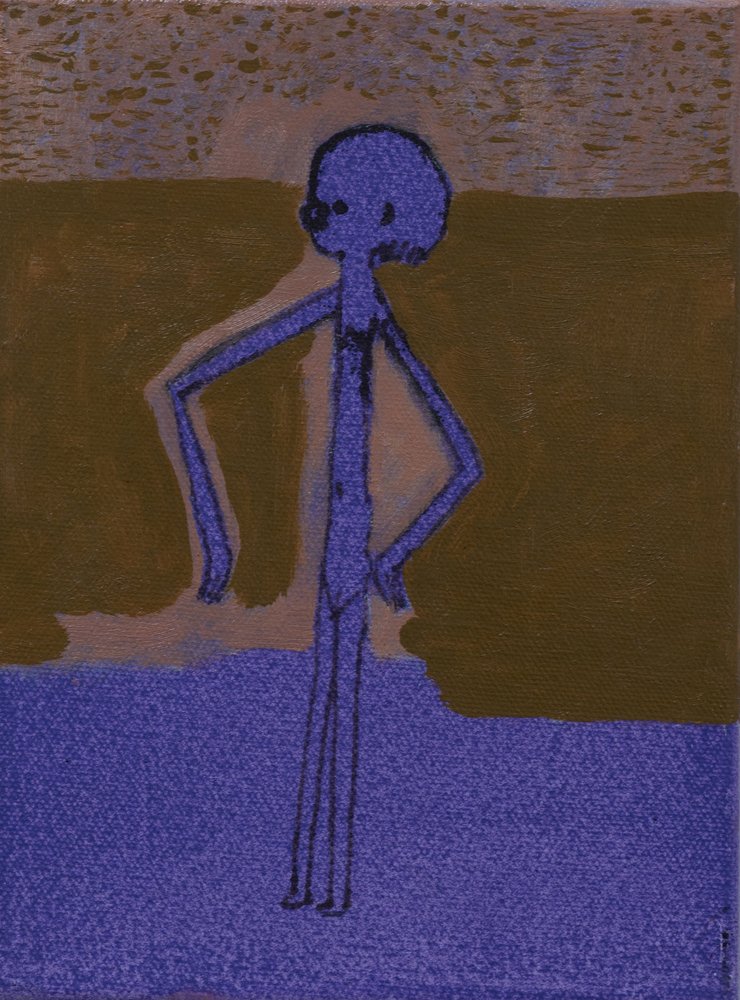

In 2024 I moved to temporary studio space that has become my first semi permanent working space. As a result I started to work in oil painting again and to move towards figuration, reconnecting to the painting that has inspired me since starting my journey in art.
©Aleksandra Zawada
In conversation with Charly and Javier Ternero, Burnside Gallery , September 2026
JCT: Do you feel as if you've got a steady thread behind your work and you have your whole life to investigate it?
AZ: I was always interested in artists who are truly themselves; who have a visual voice unique to them. It can be anything, but it is just recognisably theirs. Finding a visual voice that is true to me is a bar to aim for. I think steady tread would be looking. It is amazing how often we do not.
(…)
JCT: We know you're hardworking - what keeps you going on your down days?
AZ: I work because I enjoy it. It took me a while to learn to take breaks.
I treat every day in the studio as a gift, but also as work.
I can be quite elusive when I am working. At a certain point of time at work, time is so precious.
Looking back, the periods of when the work is not going my way eventually lead me to something new. I often push myself to do bad work. I know from experience that eventually something will shift. You only know it when you are over the turn.
Working with clay makes things easier, it has to be worked at exact points.
I also find taking a detour helpful. But often what you look for is right in front of you.
JCT: What influences your search for unprotected truth in your work?
AZ: I don't think about it when I am in the studio/making.
For me art is a spiritual quest. Sometimes in art I explore questions I am not consciously aware they are on my mind. I only become aware of them in retrospect. There are artists very good at explaining their art. I make art hoping my art “explains” itself. I have my doubts if we do need to understand and explain everything. Explaining a feeling is rather hard.
It is an inspiration to see people who are very good in what they do, in any field. Idea of mastership is something I find both inspiring and humbling.
JCT: I know you took given colours and shapes from both Scotland and Japan, but what do you take from Poland?
AZ: It is an interesting question because when I think of Japan I think about material, in particular handling of material, not so much about colour.
From Poland I take the purity of a colour and line.
This comes from my very first technical education on mixing colour, but also from Polish Colourists - Kapizm (1). Publications on Tadeusz Potworowski, Artur Nacht- Samborski were my first art education. Later, I saw their work. Many artists from the School of Paris (École de Paris) were Polish. So were some of Modigliani sitters and his dealer.
Living in Gdansk - home to the Last Judgement by Hans Memling’s, I always loved the green of Flemish painting; red, flat surface. Another influence is Orthodox art ( icon).
What I also take from Poland is complexity: coexisting narratives, stories and influences. I think a bit of Eastern soul is also something Polish. In my case it might be nostalgia for the East.
In Scotland, I often take colours I am surrounded with for granted. When I am away, I miss dramatic changes in landscape, the untamed beauty.
(1) Polish art movement from the 1920; inspired heavily by French Post- Impressionism and Fauvism
detail
oil on canvas
©Aleksandra Zawada
Ink and oil on canvas
25 x 30 cm
Ink and oil on canvas
25 x 30 cm
Ink and oil on canvas
25 x 30 cm
Ink and oil on canvas
25 x 30 cm
Ink and oil on canvas
25 x 30 cm
Ink, pastel, and oil on canvas
25 x 30 cm
detail
Ink and oil on canvas
25 x 30 cm
Ink, and oil on canvas
18 x 24 cm
Ink, pastel, and oil on canvas
18 x 24 cm
Ink, and oil on canvas
18 x 24 cm
Ink, and oil on canvas
18 x 24 cm
Ink and oil on canvas
18 × 24 cm
Ink, and oil on canvas
18 x 24 cm
Ink, and oil on canvas
18 x 24 cm